Why Staying Active at Sea Matters for Your Body, Brain, and Soul
These are the habits I try to fit into most days at sea, simple things for the body, the brain, and the soul, that keep me sharp when the job asks a lot and the days blur into each other.
These are the things I personally try to fit into my day, usually straight after lunch whenever time allows, or otherwise in the evening. This is simply what I do myself, and what I’d recommend to anyone living the same kind of routine out here.
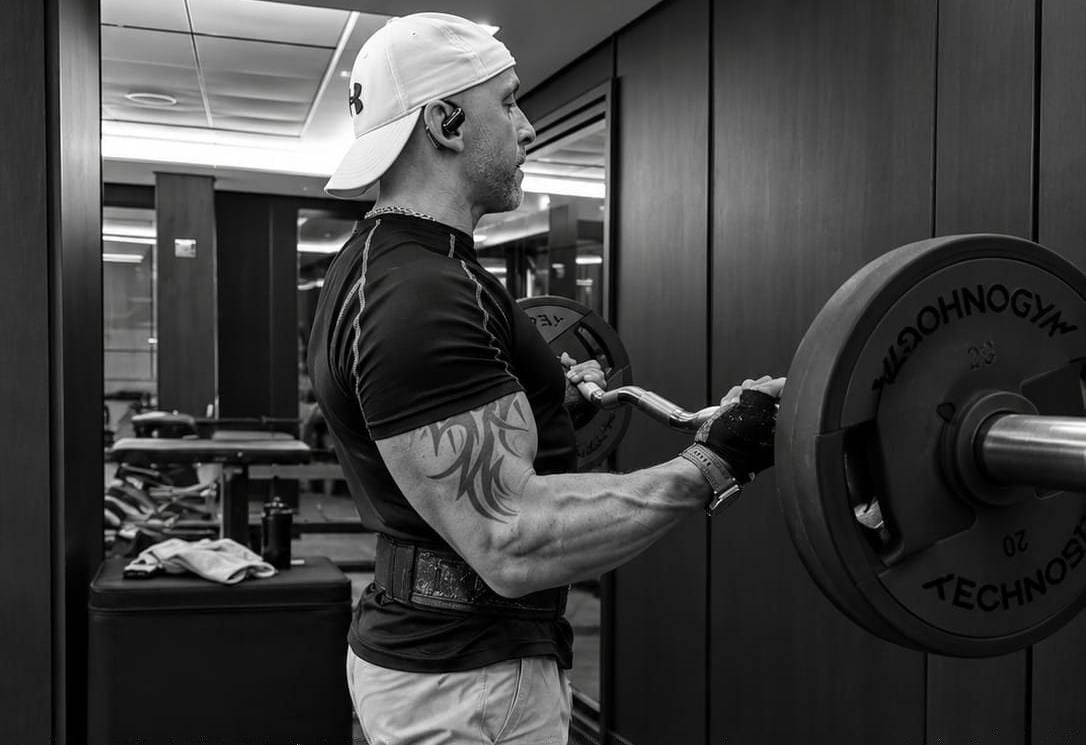
A ship is one of the easiest places in the world to let yourself go. The gym is small or the weather’s against you, the food is whatever’s on the menu, the days blur into each other, and it’s tempting to tell yourself the contract itself is enough of a workout. It isn’t, not for the parts of you that actually need training. Staying active out here, body, brain, and soul, is one of the very few things fully within your control while everything else about this job, the schedule, the distance, the responsibility, isn’t.
The Body and What Exercise Does for Your Brain
Here’s a simple stat worth knowing. In a study at the University of Illinois, a group of older adults who walked briskly three times a week for a year actually grew the part of the brain that stores memories, by about two percent. People in the study who didn’t exercise saw that same part shrink slightly over the same year. Two percent might not sound like much, but it reversed roughly a year’s worth of the natural shrinkage that normally comes with getting older. The fitter people got over the year, the more that part of the brain grew, and the better they scored on memory tests afterward.
That’s the simplest case for regular movement out here. It’s not just about how you look or how much you can lift. A bit of cardio a few times a week is quite literally growing the part of your brain you use to remember things.
Two smaller habits worth mentioning too. Taking the stairs instead of the lift is an easy one to fit into a normal day on board. A recent study following close to half a million people over fourteen years found that people who regularly used stairs had noticeably better heart health, roughly six flights a day was linked to the biggest benefit, though even small amounts made a measurable difference. It’s not a workout on its own, but it adds up the same way everything else here does.
The other one is a quick cold plunge, cold enough that it’s genuinely uncomfortable for a minute. It’s become something I actually look forward to. A blast of cold water like that gets your blood moving fast, and people who do it regularly tend to report feeling more alert and in a better mood afterward, along with less soreness after a hard session in the gym. It’s worth easing into gradually, thirty seconds to start is plenty, but it’s a small habit that makes a noticeable difference to how the rest of the day feels.
On busier days, when a full hour in the gym or a run isn’t realistic, or I honestly just don’t feel like it, I fall back on a set of resistance bands and a push-up board. They’re light enough to pack in a bag or order online and keep on board permanently, and they let you get a real, short workout done right in your cabin, fifteen or twenty minutes is plenty, without needing the gym to be free or the weather to cooperate. It’s not a replacement for a proper session, but it means a busy day never has to mean a skipped one.
For structure, I’ll usually just follow along with a YouTube video for whichever body part I want to hit that day. If the internet’s down, which happens more than you’d think out here, I’ve put together a short resistance band and push-up board training program, broken down by body part, that you can download from my website and keep on your phone or laptop for exactly those days.
The Brain and Why Duolingo Isn’t Just a Game
Learning a language as an adult keeps your brain working in a good way. Studies on people who speak two languages regularly show they tend to have better working memory, are better at multitasking, and are better at focusing on one thing while tuning out distractions, compared to people who only speak one language. The effort of switching between two languages, picking the right word, ignoring the other one, works the same parts of your brain you use for focus and attention.
The same idea applies to anything that makes your brain work rather than just switch off, reading something that stretches you, picking up a new skill, anything with a bit of friction to it. Ten minutes on an app doesn’t feel like much in the moment. It adds up the same way a bit of exercise every day adds up.
The Soul and Learning to Switch Off
Here’s the part that’s genuinely hard, and worth being honest about. Sitting still for even ten minutes without your head running through the manning gap, a machinery issue, or tomorrow’s job list, is hard. That’s not you being bad at this. Your brain naturally holds onto anything left unfinished, it’s the same reason a half finished job nags at you more than a completed one. There’s actually a name for it, attention residue, when part of your focus stays stuck on something you haven’t wrapped up yet, even while you’re trying to think about something else.
The trick that helps most is simple. Before you sit down to switch off, spend two minutes writing down, or even just listing in your head, the specific things pulling at your attention, the job, the gap, the issue. Getting it out of your head and onto paper takes away a lot of its pull. People who try this, even complete beginners, tend to feel calmer and more settled within a few weeks of practicing it a little each day. And the goal was never a perfectly silent mind. Noticing a thought and gently bringing your attention back is the actual skill, not getting to zero thoughts.
If it’s less about a busy head and more that you’re just lying there unable to fall asleep, a couple of small habits help. I’ll have a cup of sleepy tea or chamomile before bed, nothing complicated, just something warm and caffeine-free as part of winding down. And most nights I’ll do a short mindfulness session on an app called Balance, ten to fifteen minutes is usually enough. I’ve been using it for a while now and it’s genuinely made a difference, I fall asleep faster and wake up less through the night than I did before I started.
On the reading side, if you want something easy to actually finish, I’d point you toward Meditation for Fidgety Skeptics by Dan Harris. He’s the ABC News anchor who had a panic attack live on air and ended up going all-in on meditation despite being the first to admit he thought it was nonsense, and the book is exactly what the title promises, practical, funny, and built for people who are too busy or too skeptical to sit still, not anything abstract or spiritual. It pairs well with the Balance sessions above, and it’s the kind of book you can actually get through on rotation between contracts.
What This Looks Like Day to Day
None of this requires an overhaul. Weights and cardio, or a quick resistance band and push-up board session when time’s tight, cover the body. Duolingo, or reading something that stretches you, covers the brain. A few imperfect minutes of switching off in the evening, a cup of tea and some mindfulness before bed, thoughts wandering back to work and all, still counts and still adds up. None of these do everything on their own. Together, they’re a simple way of staying sharp that actually holds up.
Staying active out here was never really about looking a certain way. It’s about keeping your memory, focus, and mood in good shape, the parts of yourself this job quietly leans on more than most jobs ashore. The contract will ask a lot of you regardless. What you do with the hours that are actually yours is one of the few places you still get to decide the outcome.
“Take care of your body. It’s the only place you have to live.” — Jim Rohn
Enjoyed this? Join Tomek Beyond Sea Insights
Real stories and practical ideas, straight to your inbox — plus a free guide a few emails into your welcome series.