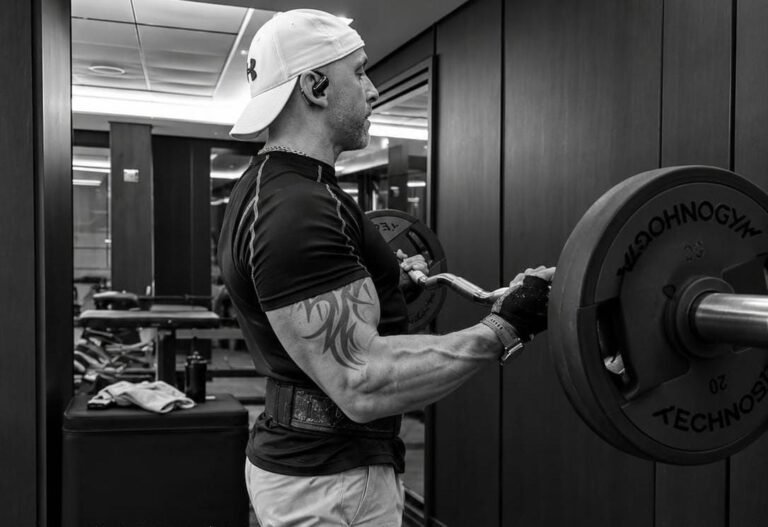

The Reality of Life at Sea: What They Don’t Tell You in Training.
Life at sea is a world of its own. Training prepares you for the machinery, the procedures, the safety drills, and the technical responsibilities. But it doesn’t prepare you for the emotional weight of the job, the sacrifices you make without realizing it, or the way this career shapes you over decades.
I’ve spent nearly 30 years at sea. I started as a motorman in 2007, worked my way up through every rank, and became a Chief Engineer in 2017. I’ve sailed on ferries, offshore vessels, cruise ships and now luxury yachts. I’ve been involved in newbuilds, lived through drydocks, and worked with crews from every corner of the world. And after all these years, I can say with certainty, the real lessons of life at sea are the ones nobody teaches you.
This article is about those lessons. The ones you only learn through experience. The ones that stay with you long after you leave the vessel. The ones that shape not just your career, but your life.
1. The Emotional Cycle of Every Contract
Every contract has a rhythm. You feel it before you join, you feel it while you’re onboard, and you feel it when you return home.
Before joining, there’s a mix of anticipation and pressure. You’re preparing your mind, your home, and your responsibilities. You’re stepping away from your family and into a world where your focus shifts entirely to the job.
Once onboard, the routine takes over. Long hours, constant responsibility, and the weight of knowing that every decision matters. You adapt, you settle in, and you become part of the vessel’s heartbeat.
Near the end, your mind drifts home. You start counting days, planning your return, and imagining the moment you step off the gangway. But you also feel the fatigue, the mental and physical toll of months at sea.
Training never teaches you this cycle. You only learn it by living it.
2. Loneliness and the Weight of Responsibility
Life at sea can be isolating, even when you’re surrounded by people. You’re away from your family, your routines, and your support systems. You’re working long shifts, often under pressure, and you carry responsibilities that follow you everywhere, even when you try to sleep.
As a Chief Engineer, that weight becomes heavier. You’re responsible for the safety of the vessel, the performance of the machinery, and the wellbeing of your team. You make decisions that affect everyone onboard. You carry the stress quietly, because that’s what leadership demands.
Loneliness isn’t about being alone. It’s about carrying things you can’t always share.
3. Crew Dynamics: The Best and the Worst of People
You meet every type of person at sea. Some become lifelong friends. Some test your patience. Some teach you lessons you didn’t expect.
You learn how to work with different cultures, personalities, and communication styles. You learn how to lead people who are tired, stressed, or dealing with their own challenges. You learn how to manage conflict, motivate your team, and keep the engine room running smoothly even when tensions rise.
Training teaches you procedures. Life at sea teaches you people.
4. The Sacrifices You Don’t See Until Years Later
This is the part nobody talks about, and the part that hits the hardest.
I missed moments with my children from my previous marriage that I will never get back. Birthdays, school events, everyday memories. At the time, I was focused on building my career, climbing the ladder, and providing for my family. I was motivated, ambitious, and determined to succeed.
But years later, you realize what those months away truly cost.
Many seafarers carry this weight. It’s not something you learn in training. It’s something you understand only after living it.
5. The Pressure of Progress: Climbing the Ladder
Moving from motorman to Chief Engineer in ten years took discipline, sacrifice, and relentless effort. I was always pushing, always learning, always striving to be better. I wanted to prove myself, to grow, and to reach the top of my profession.
But climbing the ladder comes with pressure. You’re constantly evaluated. You’re constantly learning. You’re constantly responsible for more.
Ambition is powerful, but it comes with a cost. And it’s important to recognize that cost early in your career.
6. The Turning Point: Building a Life Beyond the Sea
After 21 years living in the UK, I moved to Cape Town, South Africa. I remarried. I built a new life. And now, my wife and I are expecting our child in November this year.
This new chapter changed the way I see my career. I still value the life at sea, but I also understand the importance of building something beyond it, financial stability, additional income, and a future where work becomes a choice, not a necessity.
This is the part training never covers, how to prepare for the years ahead, how to build freedom, and how to create a life that supports your family long after your sea career ends.
7. What Life at Sea Really Teaches You
After nearly three decades, here’s what I’ve learned:
Life at sea teaches you resilience. It teaches you discipline. It teaches you leadership. It teaches you sacrifice. It teaches you responsibility. It teaches you what matters, and what doesn’t. And it teaches you that your career is only one part of your life, not the whole story.
The reality of life at sea is not just the work. It’s the emotional journey, the personal growth, the sacrifices, and the future you build because of, and despite, the challenges.
Final Thoughts From Tomek Beyond Sea
Life at sea is rewarding, challenging, and transformative. It shapes you in ways no training course ever could. But it also demands balance, perspective, and preparation for the future.
My goal isn’t to help you escape the sea. It’s to help you make the most of the career you’ve worked so hard to build, while creating more options for yourself and your family in the years ahead.
Everything I share comes from real experience, the good, the difficult, and the lessons learned along the way.
If you’re ready to build your freedom beyond life at sea, you’re in the right place.
Enjoyed this? Join Tomek Beyond Sea Insights
Real stories and practical ideas, straight to your inbox — plus a free guide a few emails into your welcome series.